AI for Work
For 5,000 Years, the Best Teachers Belonged to the Rich. That Just Ended.
By JC de las Alas, Founder and Lead Instructor
· 7 min read
For most of human history, the single greatest advantage money could buy was not a bigger house or a faster horse. It was access to a great mind: a tutor, a mentor, a teacher patient enough to answer your questions until you finally understood. Kings hired philosophers. Merchants sent their sons to masters. Everyone else was left to figure life out alone.
That advantage just quietly disappeared. For the first time in 5,000 years, a farmer's daughter in Sultan Kudarat and a tycoon's son in Makati can sit with the same brilliant, endlessly patient teacher, at two in the morning, for free. It is the most underrated event of our lifetime, and almost everyone is looking the other way, too busy worrying that AI will take their job.
Here is the more interesting, and more honest, story.
The most expensive thing was never gold
Think about what real learning used to cost. Not tuition, though that was bad enough. The cost of someone who would look at your specific problem and explain it in a way that finally clicked. That was rationed by geography and by money. If you were born far from the city, or born poor, the door was mostly closed, no matter how bright you were.
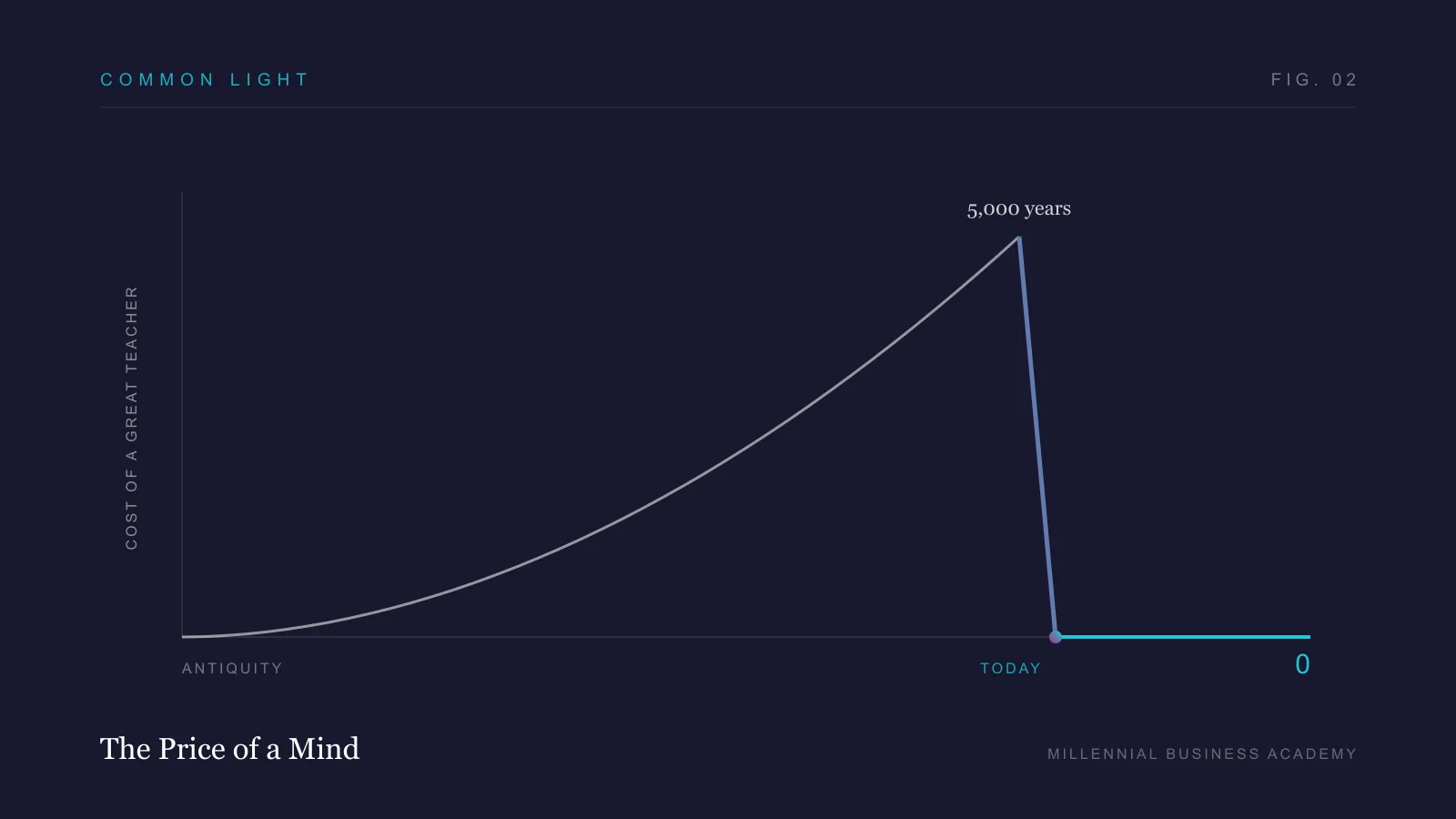
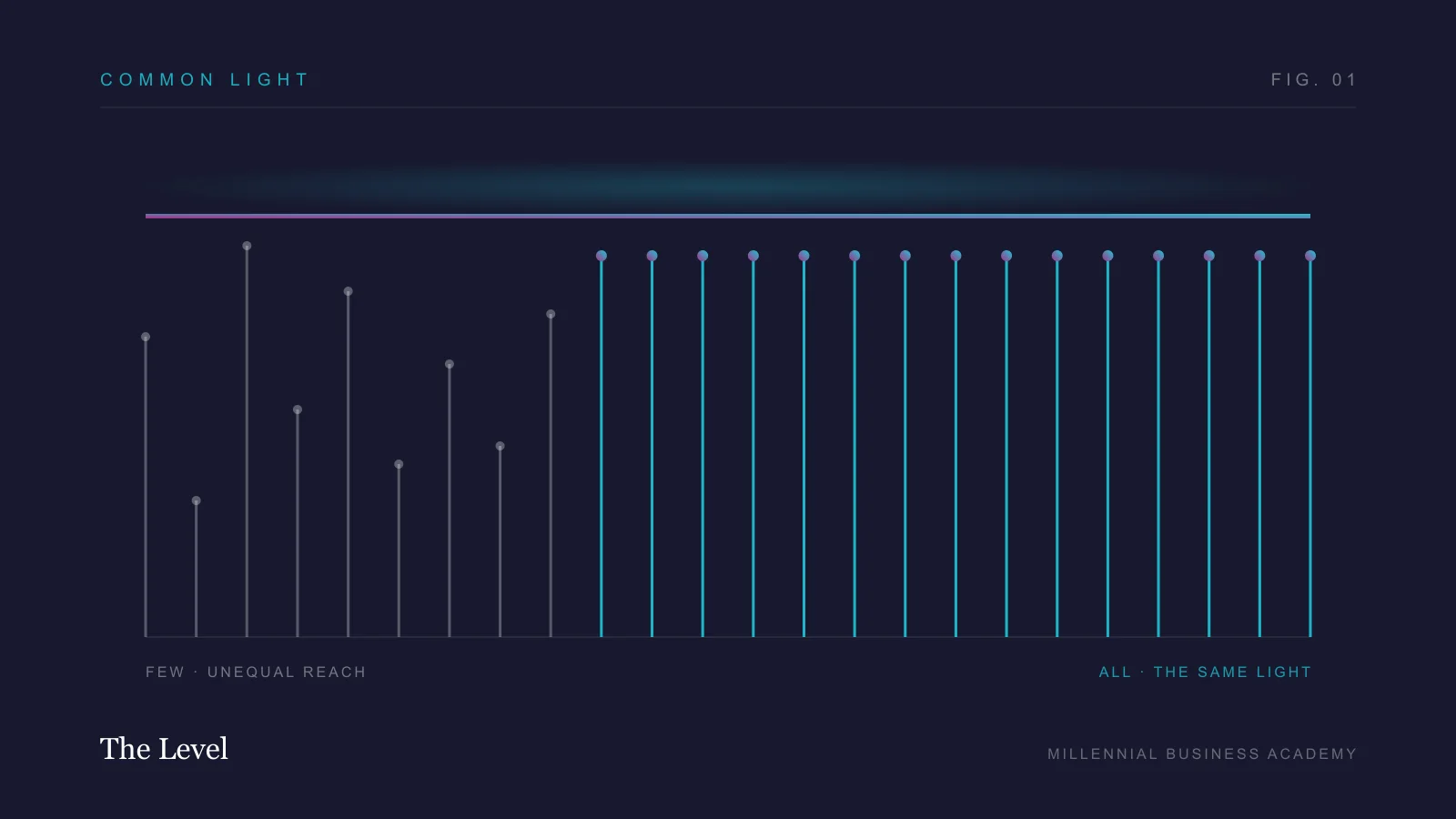
The tragedy of history is not that talent is rare. Talent is everywhere, scattered evenly across rich and poor. The tragedy is that the chance to develop it was hoarded by a few. For fifty centuries, the price of a great teacher only went up. Then, almost overnight, it went to zero.
What actually changed
An AI like ChatGPT or Claude is not a search engine, and it is not magic. It is closer to a tireless tutor who never sighs when you ask the same thing twice. You do not understand a deduction on your payslip? It will walk you through it. Stuck on an Excel formula at midnight? It will explain the why, not just hand you the fix. You want to learn data analytics but have no idea where to start? It will build you a path and quiz you on it.
The jeepney driver's child and the executive now hold the same instrument. That has never been true before. Not with libraries, not even with the internet, because information alone was never the bottleneck. The bottleneck was having someone to help you make sense of it. That is the part that just became free.
The honest catch
Here is where the feel-good story gets complicated, and where it starts to matter morally. Free access does not mean equal outcomes. A door being open is not the same as walking through it.
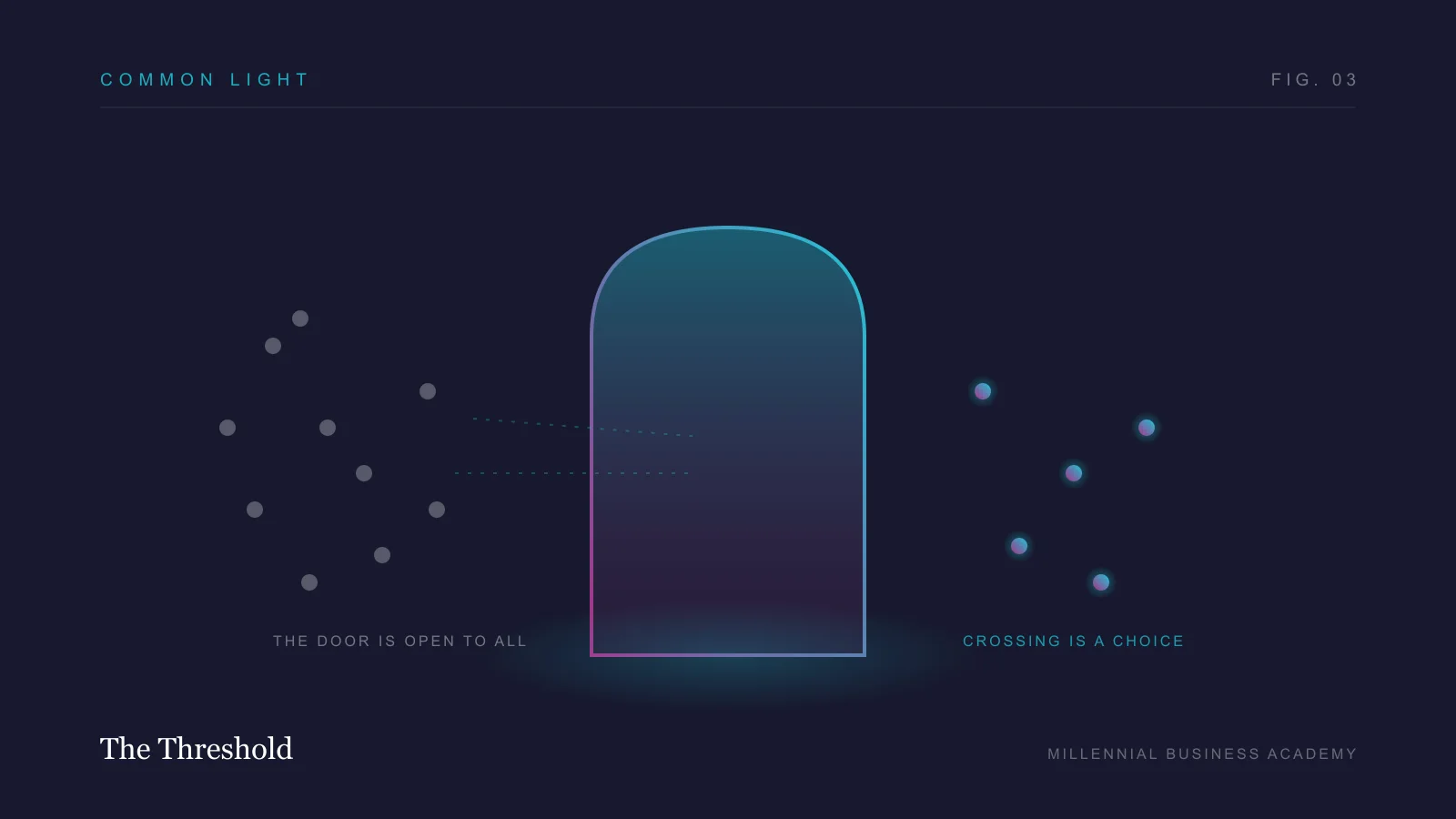
The old divide was cruel but simple: some could afford the teacher, most could not. The new divide is quieter, and in a way heavier. The teacher is free for everyone now, so the only thing standing between a person and a new skill is whether they choose to begin. Access is no longer the excuse. That is liberating and uncomfortable at the same time.
We should be honest that this is not a perfectly level field. A student with reliable data and a quiet corner still has it easier than one sharing a single phone with three siblings. Closing those last gaps is real work, for schools, for companies, for all of us. But the biggest wall, the one that stood for 5,000 years, is down.
The part nobody wants to say out loud
If you gain this power, you inherit a responsibility with it.
For most of history, people who learned something valuable had every reason to guard it. Knowledge was leverage precisely because it was scarce. That instinct to gatekeep, to keep the good stuff for you and yours, made sense in a world of scarcity.
It makes no sense now. And it is quietly wrong now.
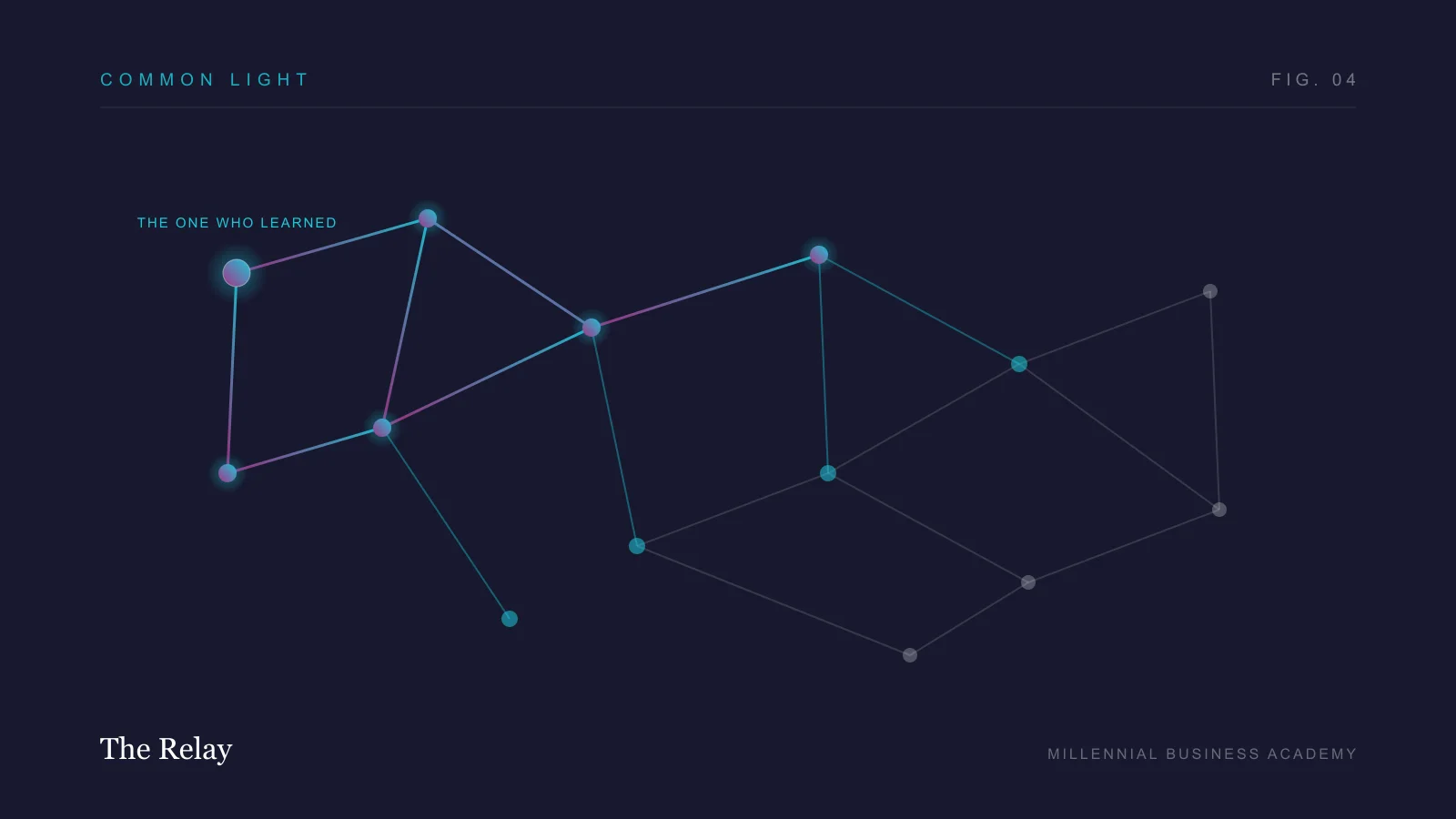
When the teacher is infinite and free, hoarding what you learn helps no one, and sharing it costs you nothing. The person who figures out how to use AI to land a better job, and then teaches their cousin, their team, their barangay, loses nothing and multiplies everything. Lift as you climb. That is not a slogan. In an economy where skills are the new capital, generosity is how a whole community rises together instead of one lucky person at a time.
And use it honestly. AI can write your essay or do your thinking for you, and that is a trap dressed as a shortcut. Use it to understand, not to pretend. The goal was never to look capable. It was to become capable. There is a real difference, and your future self will know exactly which one you chose.
How to actually turn AI into your teacher
None of this means anything if it stays abstract, so here is the practical part. To turn a chatbot into a real teacher:
- Ask it to teach, not just answer. Instead of "give me the formula," say "explain why this formula works, then give me a harder version to try."
- Make it quiz you. After it explains something, ask it to test you with three questions and check your answers. Learning sticks when you retrieve it, not when you reread it.
- Bring your real problems. The messy report at work, the sari-sari store numbers that will not add up, the job description you are scared to apply for. Learning glued to a real task is the kind that lasts.
- Ask for the path, then walk it. "I want to become a data analyst in six weeks, two hours a night. Give me a plan, then teach me week one." Then actually show up for week one.
- Do not outsource the struggle. Let it hint before it solves. The struggle is where the learning happens. Skip it and you skip the growth.
If you want a concrete place to point all this, start with the in-demand skills worth learning right now, or the step-by-step path to becoming a data analyst with no experience.
The door is open. Hold it for someone.
We are living through a strange and beautiful moment. The oldest unfair advantage in the world, access to a great teacher, has been handed to everyone at once. It will not stay this open forever, and outcomes will still be unequal for reasons we have to keep fighting. But right now, today, the door is open wider than it has ever been, for a probinsya student and a CEO alike.
So the only question left is not whether you can afford to learn. It is whether you will begin, and whether you will hold the door for the person behind you.
That is the whole idea behind Millennial Business Academy: take the tools that used to be locked behind privilege, teach them plainly to Filipinos who were never given a fair shot, and build a community that lifts as it climbs. If you want a place to begin, start with the free training, and bring someone with you.
- #AI for Work
- #Upskilling
- #Career Growth
- #Opinion
Frequently asked questions
No, but it changes everything. An AI like ChatGPT or Claude is a patient, always-available tutor for explanations, practice, and feedback. It does not replace human mentors, community, and accountability, which still drive motivation and judgment. The strongest results come from combining a free AI tutor with structured guidance and people who keep you going.
Open a free AI tool and, instead of asking for answers, ask it to teach: have it explain concepts in plain terms, build you a study plan, quiz you, and use your real tasks at work or in your small business as practice. Pair it with free structured training so you stay on a path instead of drifting.
Using AI to do your thinking for you, like having it write your essay or fake understanding, is a trap. Using it to understand, practice, and get honest feedback is legitimate and powerful. The goal is to become capable, not merely to look capable. That distinction is the whole difference.
The most in-demand and beginner-friendly are AI tools for everyday work, data analytics with Excel, SQL, and Power BI, automation, and digital or personal branding. They turn into income quickly, they are learnable in weeks, and they compound with one another.